Feeling Disconnected? Expressive Arts Group To Find Connection
Vancouver In-person group Starting Saturday October 11th Six sessions 12noon – 2pm. Fees – By donation. $10 per session suggested.
Group Information
A safe, non-judgmental space to reconnect to your Body, Mind, and Spirit
Expressive arts therapy is a gentle yet powerful way to reconnect to ourselves and to what helps us feel stronger, calmer, and morealive.
Using expressive arts such as collage, painting, movement, creative writing and sculpting to connect with aspects of the self that are less known to our rational brain is a great way to explore the hidden and disconnected parts of ourselves. Expressive arts allows us to explore aspects of ourselves in a new way that can open us up to notice and process ways we are disconnected. This new way of relating to ourselves through expressive arts can activate parts of ourself that we may have habitually cut off from.
In group we will be aware of grounding ourselves, calming our nervous systems, to make space to welcome parts of ourselves that we might automatically want to control or avoid. In this way we are working to become more fully who we are.
What Happens In The Group?
You will be invited to play simple group games to help you warm up. You will then be invited to explore your imagination through visual art, movement, sculpture, and creative writing. Usually we will explore two to three expressive modalities per session. And we will close each group with a sharing circle.
Do I need to be An Artist?
The expressive arts are for everyone. You don’t need to be an artist to benefit from the experience. It is OK if you already have a creative practice. But it is more than alright if you have little or no experience with the expressive arts..
Weekly Focus:
Week 1- Pastels (Oct 11th)
Week 2 – Collage (Oct 18th)
Week 3 – Painting(Nov 1st)
Week 4 – Movement (Nov 8th)
Week 5 – Sculpting (Nov 15th)
Week 6- Story (Nov 22nd)
To Register:
Please complete the form below and state which weeks you wish to attend. We encourage people to attend all weeks to get the most out of the group, if possible.
Your Group Facilitator
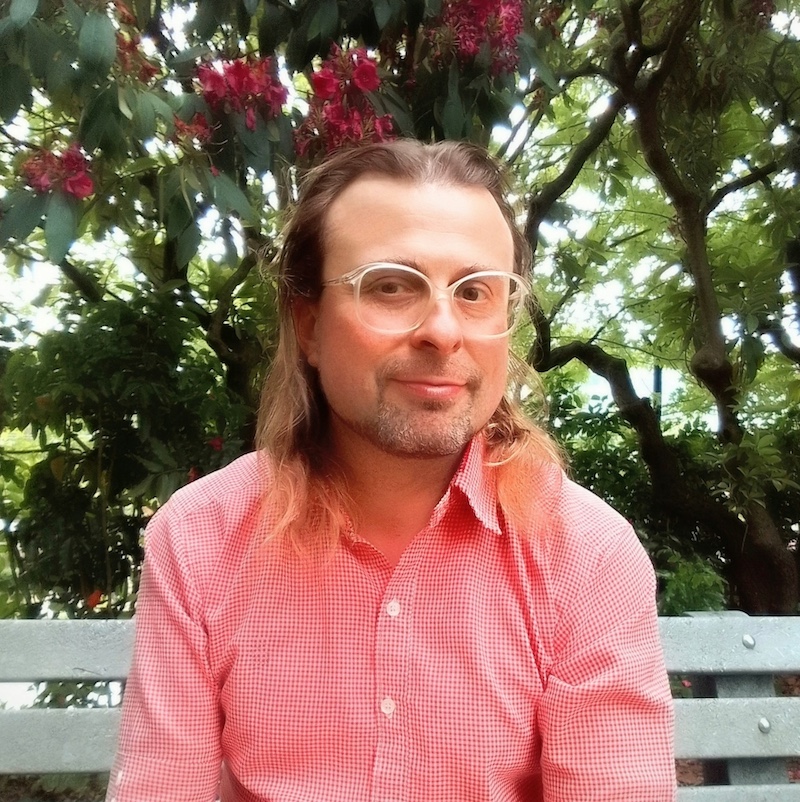
Luke Felczak
My name is Luke and I am a Certified Expressive Arts Therapist. I am completing my clinical counselling internship at Turning Point Therapy. And I work as an Expressive Arts Therapist in the community.
I am a cis-gendered, able-bodied, white, heterosexual male. I was born in Poland, to mixed Catholic and Jewish ancestry, and I am a white first-generation settler.
I combine body-focused therapy and creative arts therapy (such as art, music, or movement) with insights into how our early relationships shape us. This helps us understand how you experience life in your body, gain a fuller sense of who you are, and develop a deeper understanding of yourself.