
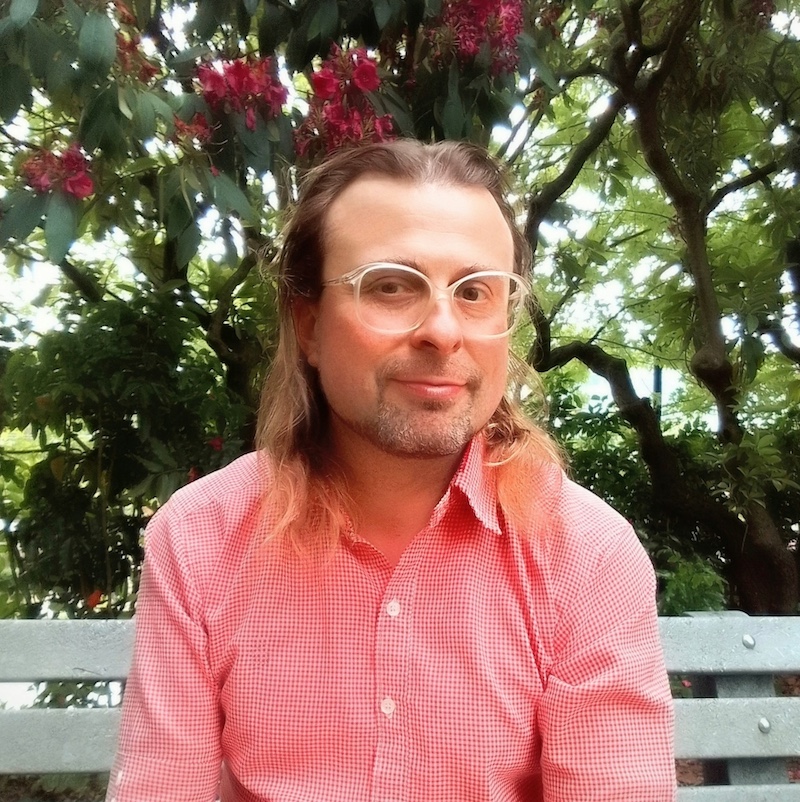
Luke Felczak

He/Him

  • Depression and anxiety
  • Trauma and abuse in childhood and adulthood, including cPTSD and PTSD
  • Posttraumatic Growth
  • Emotional overwhelm or emotional numbness
  • Self-esteem and self-compassion
  • Grief and loss
  • Sexualized and gender-based violence
  • Attachment, separation, and abandonment issues
  • Disturbing fantasies and feelings
  • Narcissistic abuse
  • Life Transitions
  • Healthy Living
  • Creativity


Certified and Registered Expressive Arts Therapist (REAT) – Ontario Expressive Arts Therapy Association (OEATA, #274)

Somatic Experiencing (SE) – Advanced Level 1 and 2

From September.
Saturdays (in-person) 9:00AM – 4:30PM
Wednesdays (virtual) 10AM-11:30AM
Thursdays (virtual) 8AM-10:30AM
Friday (virtual) 10AM-11:30AM

Who I Work With

Many people come to therapy feeling sad, worried, stuck, or disconnected. You may not know how to move forward. You may have painful memories, thoughts, or feelings that will not go away.

You may have lived through abuse, neglect, betrayal, violence, or other trauma. This may have happened when you were a child, as an adult, or both. You may have been hurt by people who were supposed to care for you.

Sometimes it can feel as though life is moving on around you, while part of you feels frozen, distant, or left behind. You may want to feel more alive, more at ease, and more connected to yourself and others.

I work with people from many cultural, spiritual, religious, gender, and sexual-identity backgrounds. I also work with people who are new to therapy, including people who have recently arrived in Canada as refugees. You do not need to know exactly what you want to talk about before we begin. You also do not need to be sure that therapy is right for you.

You may have tried talk therapy or approaches that focus mainly on thoughts. If you are looking for something different, therapy with me may be helpful. Our work can include your mind, body, imagination, relationships, and day-to-day life experiences.

How I Work

Therapy can be a place to slow down, learn about yourself, and feel more connected. Together, we can explore what brings you to therapy and what feels important in your life right now.

We may use words, memories, emotions, dreams, and body sensations to help us better understand your experiences. Some things can be hard to explain with words alone, but we can find other ways to understand them.

At times, I may invite you to use art materials to explore an image or feeling (not to worry, you do not need any previous art experience). At other times, we may pay attention to what you notice in your body. We may also talk about what it is like for us to work together in therapy. You are always part of the process. And we will decide together what feels helpful, comfortable, and safe.

I use body-based and creative arts approaches, such as visual art, sculpture, and movement. I also pay attention to how early relationships and hard experiences can shape how we see ourselves, connect with others, and live in the world today.

My approach is trauma-informed, relationship-focused, culturally humble, and strengths-based. This means I try to understand how difficult experiences may affect your everyday life while respecting your culture, background, and values. I am more interested in what is strong and wise in you than in what is “wrong”.

No two therapy sessions are exactly alike. Each person brings their own history, point of view, and needs. I try to respond to what matters most to you. Sometimes, therapy can lead to important new moments—small or large shifts in how you understand, feel, or respond to a difficulty. These moments can support change, especially when therapy feels safe, respectful, and collaborative.

My work at the Vancouver Association for Survivors of Torture has shown me that therapy can help people feel more connected to themselves, their values, their relationships, and their communities. I see therapy as a place to notice and build on your strengths, dignity, and resilience.

I have more than 20 years of education and clinical experience in philosophy, psychology, and psychotherapy. But I do not see myself as the expert on anyone else’s life. I want to learn with you about your strengths, your wisdom, and what may already be helping—whether in small or big ways.

With that said, I welcome your questions about what you are going through, how therapy works, or about me.

About Me

I am a cisgender, able-bodied, white, heterosexual man. I was born in Poland and come from a family with both Catholic and Jewish roots. I am also a first-generation white settler in Canada. I have been in a long-term partnership for nearly 20 years.

I grew up in a middle-class home where education was important. I had many forms of privilege. I lived in safe neighbourhoods and attended well-resourced schools with many extracurricular activities. I know that these experiences have shaped my opportunities and my view of the world.

My family history has also been shaped by war, loss, displacement, and trauma passed down through generations. My maternal grandfather survived the Holocaust. My maternal grandmother was a prisoner of war. My paternal grandfather was also imprisoned and tortured for many years.

Both of my parents faced serious challenges because of their own difficult upbringings. These experiences also had a deep effect on my brother and I.

With that said, individual and group psychotherapy has made a lasting difference in my life. Therapy has helped me understand myself, my relationships, and the ways that family, history, culture, and society can shape us.

My own experience, along with my training and clinical work, is part of what brings me to this work. I believe that meaningful therapy and meaningful connection in community can help people make real and lasting changes in their lives.